Introduction
Hydroponic farming is not just a trend, it’s a revolutionary way of growing plants that is gaining momentum globally. With an array of advantages over traditional soil farming, hydroponics promises to be the agricultural practice of the future. Here, we’ll explore the myriad of benefits it offers, from plant quality to economic feasibility.
Produce Better Plant Quality
One of the most significant advantages of hydroponic farming is the enhanced quality of the plants. With a controlled environment and precise nutrient supply, hydroponic systems yield plants that are healthier, have a faster growth rate, and often taste better.
Natural Pest Avoidance
Say goodbye to harmful pesticides! Hydroponic systems are generally set up in controlled environments, reducing the risk of pests. Plants grown hydroponically can essentially “avoid” the common problems faced by soil-based crops, like root rot and bug infestations.
Economical Use of Pumuk
If you’re wondering what “pumuk” is, it’s an essential component in Korean farming, often made from fermented animal manure. In hydroponic systems, the use of such fertilizers becomes far more economical. The closed-loop system ensures that nutrients are recycled, reducing the need for frequent pumuk applications.
Space Efficiency
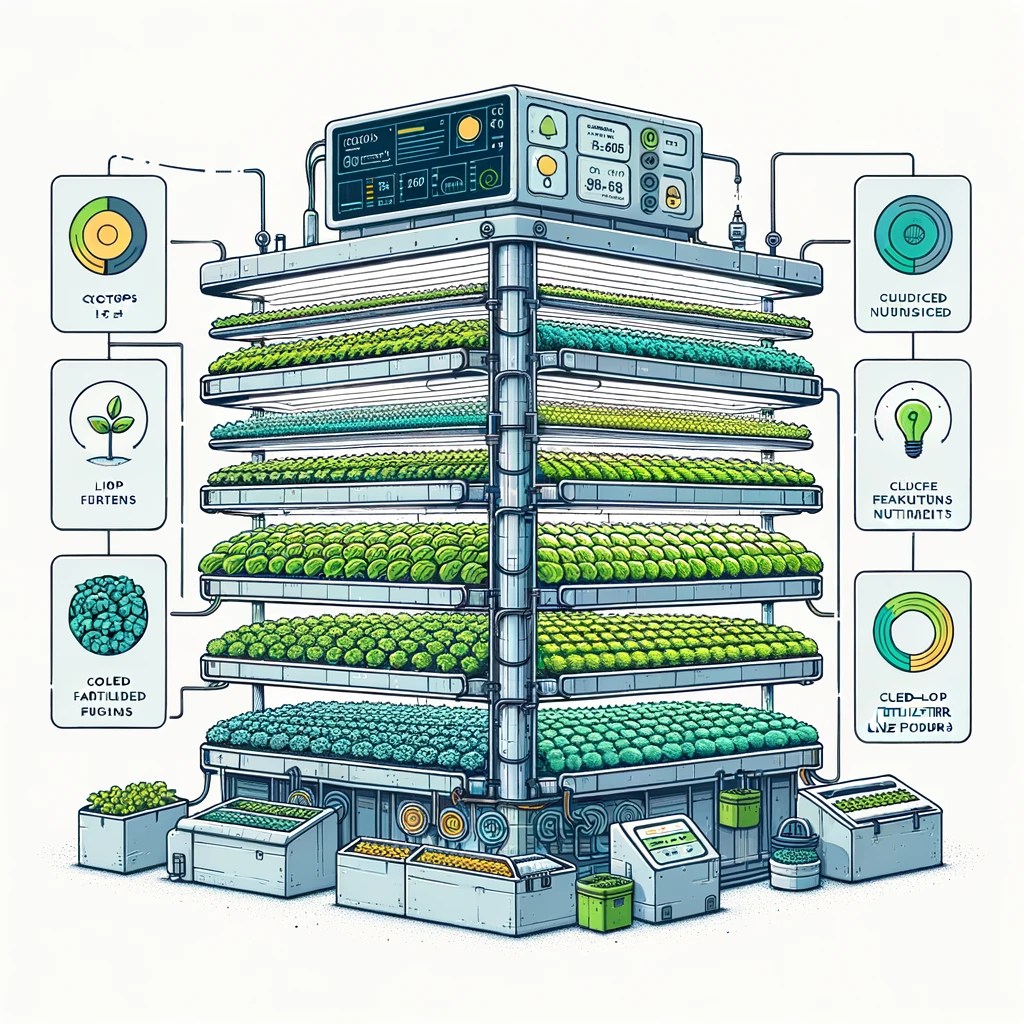
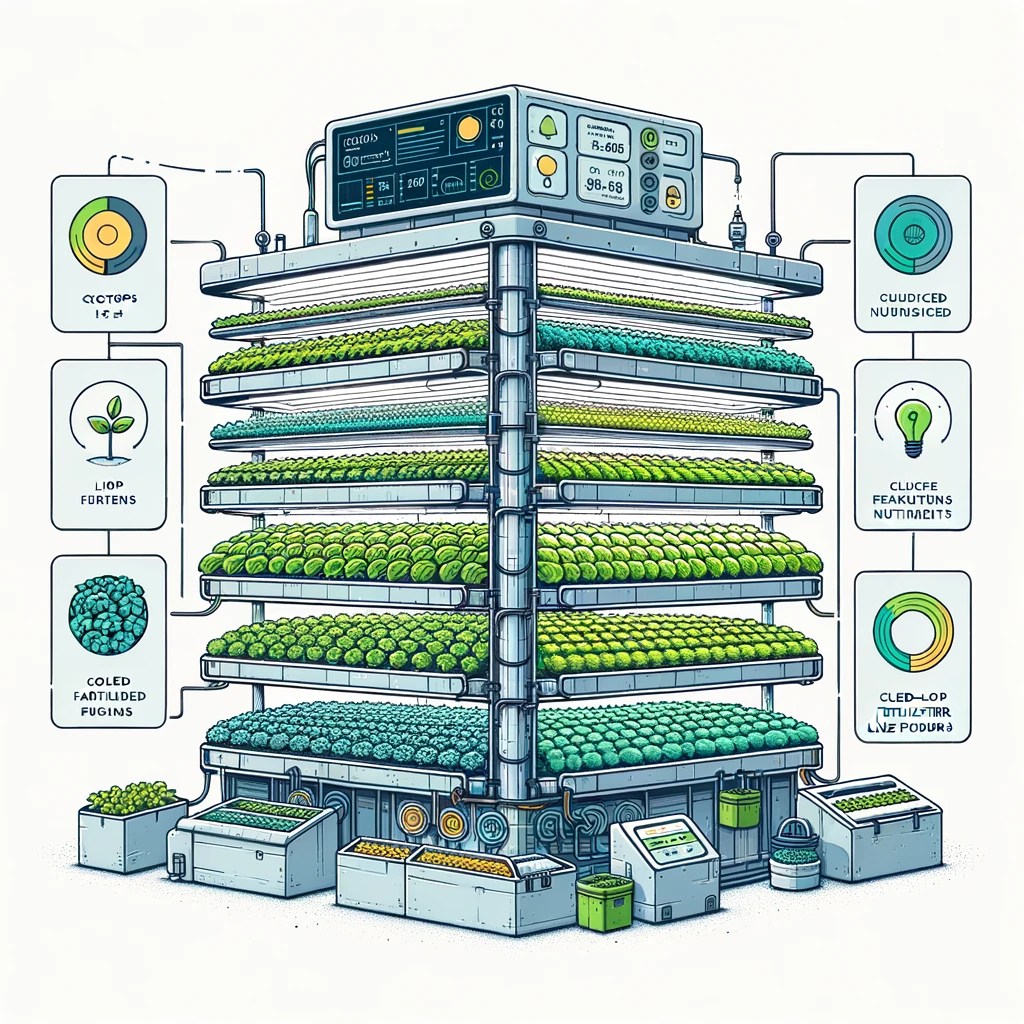
Land is a finite and expensive resource, especially in urban settings. Hydroponics saves space as it doesn’t require extensive land for cultivation. Vertical hydroponic systems are even more space-efficient, allowing for multiple layers of crops in the same square footage.
Faster Growth Rates
The controlled conditions in hydroponic farming mean that plants can grow almost year-round and often faster than their soil-based counterparts. The direct delivery of nutrients to plant roots ensures that plants can focus solely on growing, resulting in quicker harvest cycles.
Save Energy and Time
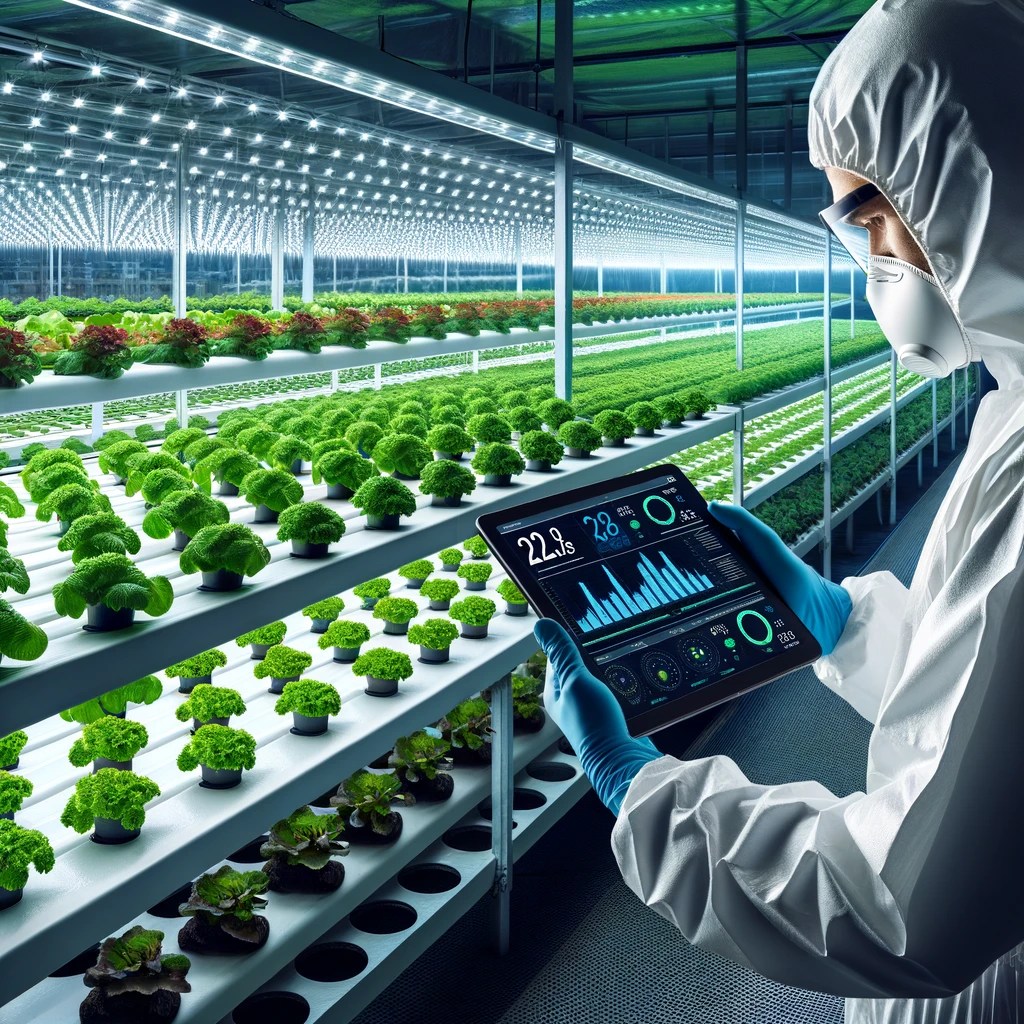
Hydroponic systems are automated to a great extent, requiring less manual labor. This automation not only saves time but also significantly reduces the energy expenditure involved in traditional farming practices like plowing, watering, and weeding.
The Future
Given these benefits, hydroponic farming is clearly a future-proof method of agriculture. It addresses the challenges of land scarcity, environmental impact, and food security. Moreover, it integrates well with technologies like IoT and data analytics, offering even more efficiencies.
Conclusion
The future of hydroponics is bright and promising. With its range of benefits from enhanced plant quality to energy efficiency, it’s an avenue worth exploring for both hobbyists and commercial farmers alike. So, whether you’re interested in growing herbs for your kitchen or planning to scale up for a commercial operation, hydroponic farming is the way forward.
Happy Farming!
 alogblog